Eating fresh cantaloupe during the growing season is a joy unto itself, especially if you know how to pick a good one. Here’s how to consistently ensure that the cantaloupes you select are ripe, sweet, and flavorful.
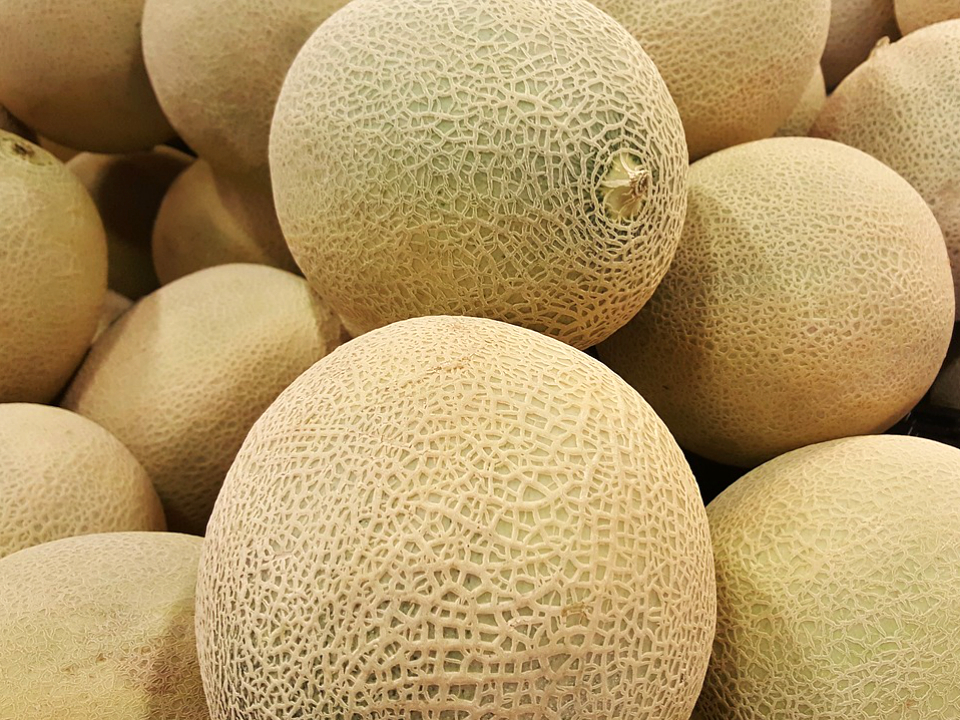
Appearance matters. This may seem obvious but always select cantaloupes that look good. Avoid obviously defective or damaged fruit. This includes any melon with a cracked rind, soft spots, bruises, or moldy patches.
Steer clear of stems. Melons easily detach from their stems when ripe. If you see a cantaloupe with a piece of stem still attached or with a torn rind where the stem was attached, that means it was taken from the vine too soon. And since they do not continue to ripen after being picked, a cantaloupe with its stem still attached should not be selected.
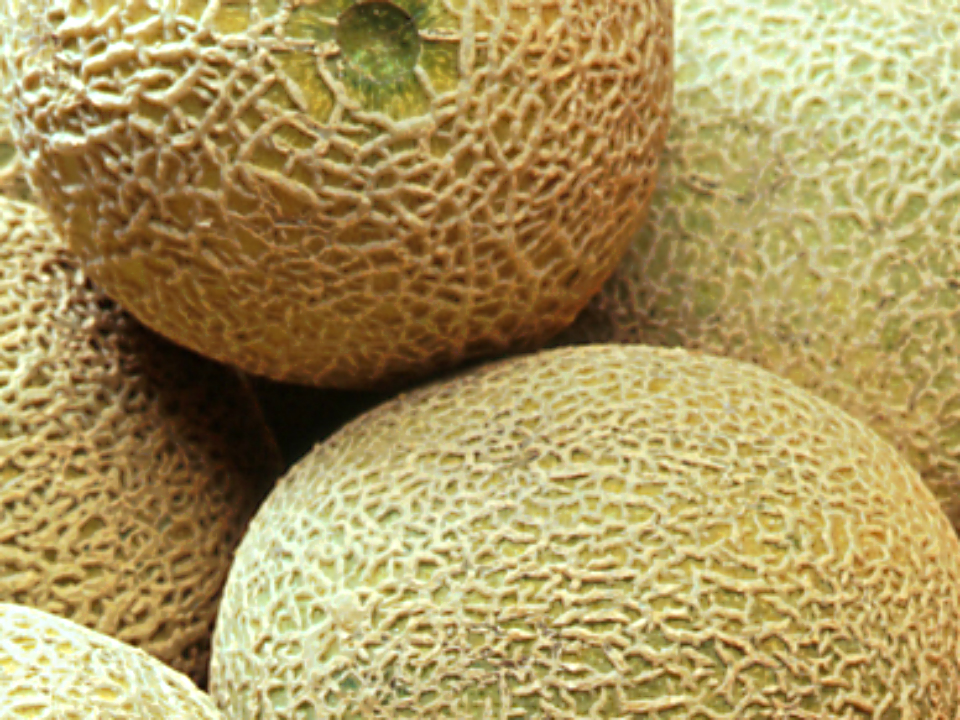
Go for the gold. The rind of a ripe cantaloupe should have a gold or orange tint with well-developed netting. If you see a lot of dark green and the net-like textured part appears to be rather thin, the cantaloupe is not ripe. Also examine the spot that shows where the melon was resting on the ground. A smooth, yellow patch means you’ve got a ripe melon.
Lightweights need not apply. When comparing cantaloupes, pick them up. A good cantaloupe contains a fair amount of water and will thus feel heavy for its size. All other things being equal, go with the heavier fruit.
How does it feel? A healthy, ripe cantaloupe is neither rock-hard nor soft and squishy. The melon should be uniformly firm. There should be a slight indentation where the stem used to be, indicating that the melon came off the stem easily and that indentation should not be wet. The blossom end, which is opposite the stem end, should give slightly when pressed.
Smell the blossom end. A sweet, ripe cantaloupe smells pleasantly sweet, especially at the blossom end. A cantaloupe that has no sweet aroma should not be considered.

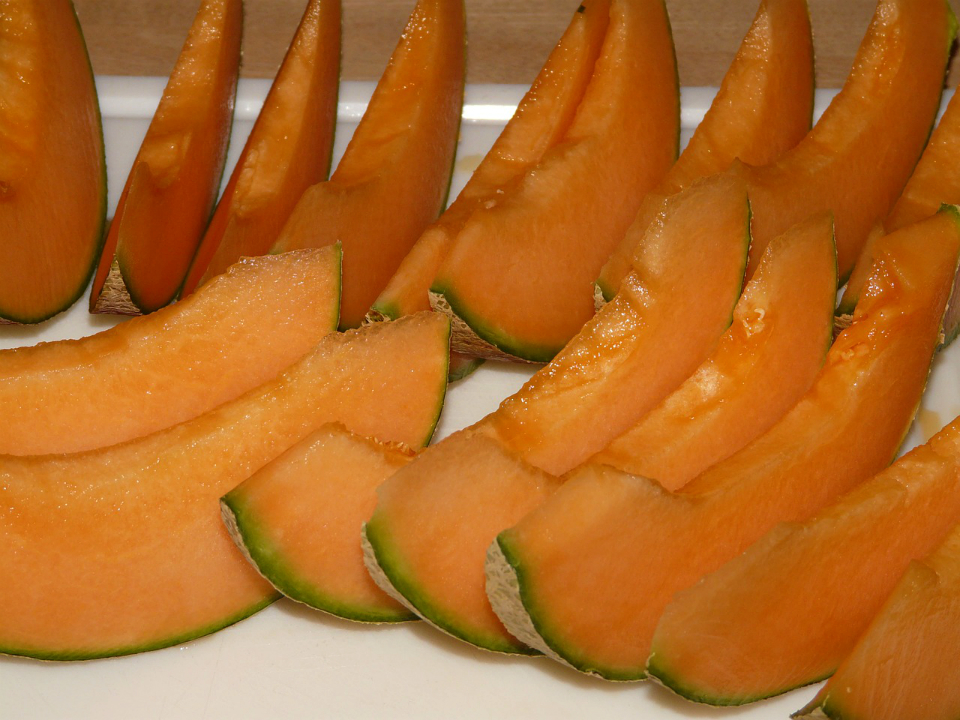
In addition to being delicious, cantaloupe is quite healthy. Thanks to the high water content, one cup only contains about 55 calories. Cantaloupe is a great source of vitamins A and C, potassium, beta-carotene, and fiber.
Now that you know what to look for, stop by any of Angelo Caputo’s Fresh Markets‘ seven store locations and get some delicious cantaloupe today!


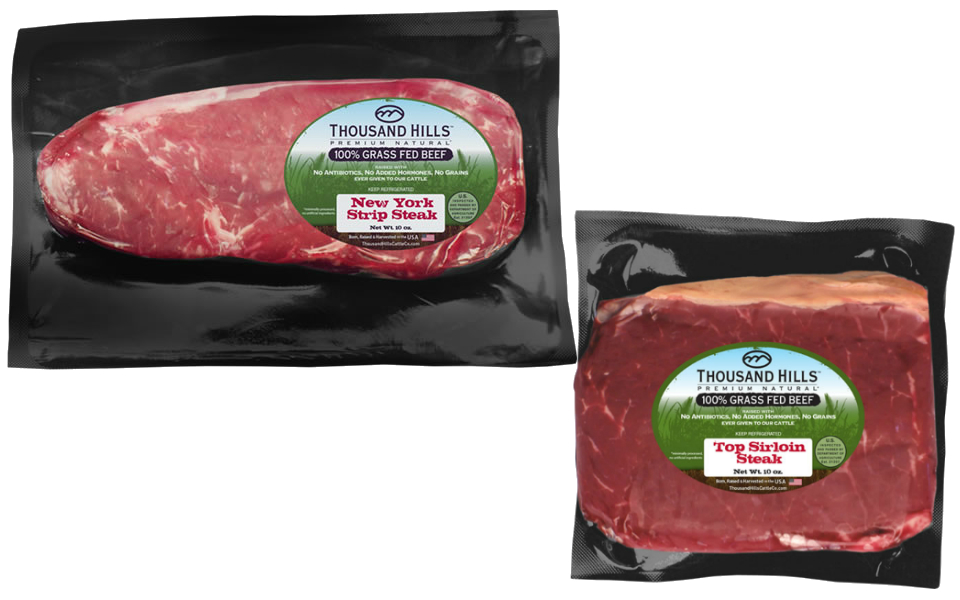












 You may be expecting us to say that the recipe for our famous homemade Italian sausage has gone unchanged for hundreds of years, but that would only be partially true. As has been the case in many Italian families, the original family recipes did not exist in written form but were handed down from one generation to the next in the kitchen. Young people learned the craft by observing and helping their parents, grandparents, and other relatives. This is why there are subtle (and sometimes not so subtle) variations between the same dishes as prepared by different members of the same family.
 Of course when it comes to making Angelo’s Signature Italian Sausage for our customers, some of whom drive quite a few miles to get theirs, consistency becomes rather important. We couldn’t simply hope that the unwritten traditions handed down through the generations would translate to the same great tasting product day after day. Rather, we felt compelled to make it even better!
 We begin with our old-world tradition of using hand-trimmed lean pork and mix in our private blend of aromatic spices and seasonings, developed expressly for this purpose. It has taken years of continually refining our art to reach this point and the result is a consistent sausage that’s bursting with flavor and will simply amaze your palate! We are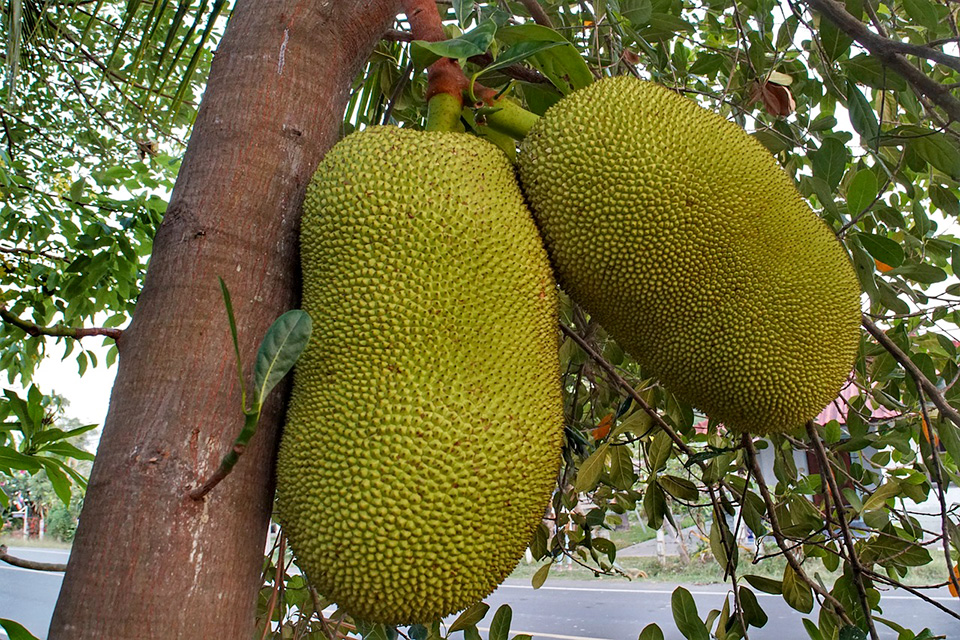
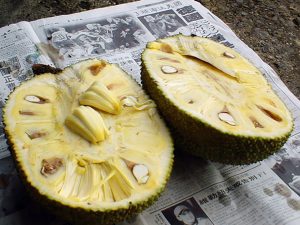
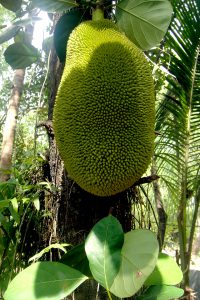 The rind of a jackfruit is pale brown or green and covered with many little cone-like spikes. The inside contains edible bulbs that range from savory to sweet, depending on ripeness. Immature jackfruit is sometimes used as a meat substitute because its texture is somewhat like that of pulled pork. Being a fruit, however, it is high in carbohydrates and does not contain much protein.
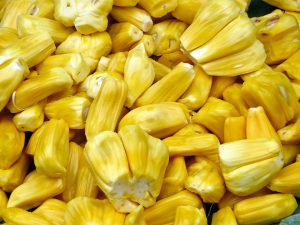 The seeds inside the bulbs are to be removed and can then be steamed or roasted. Raw seeds are not digestible due to the presence of a powerful trypsin inhibitor, which is broken down through cooking.